Charting UK Bettor Navigation Routes Through Platform Designs
Written by Casey Schmidt · Nov 25, 2026
Charting UK Bettor Navigation Routes Through Platform Designs
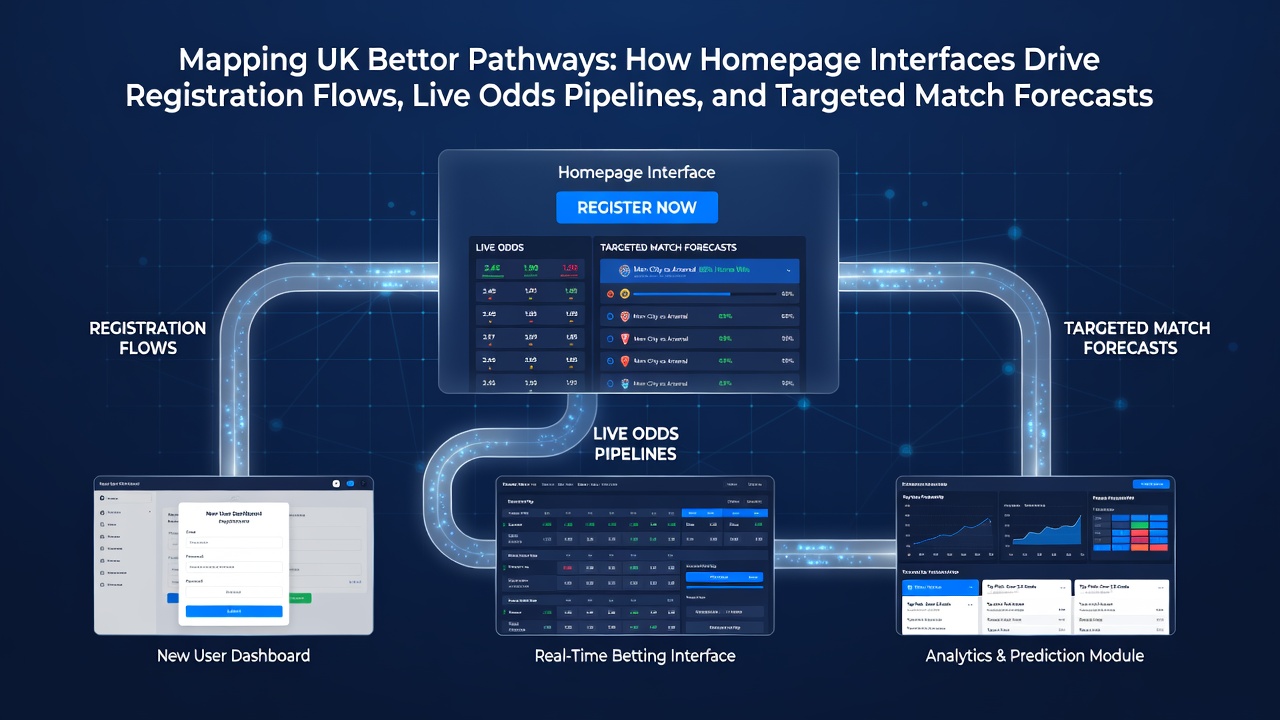
UK betting platforms structure their homepages to channel visitors through sequential steps that begin with account creation and extend into live data streams plus personalized forecast tools, and observers note these layouts shape how users progress from initial clicks to active participation. Data from industry reports indicate homepage elements such as prominent sign-up buttons and simplified forms reduce friction in registration flows, while integrated sections for real-time odds maintain engagement once accounts activate. Researchers at institutions like the University of Sydney have documented similar patterns across digital gambling interfaces where visual hierarchies direct attention toward conversion points.
Homepage Layouts and Initial User Entry Points
Design choices on these sites often place registration prompts near the top fold, accompanied by minimal input fields that capture essential details before deeper navigation occurs, and this setup accelerates profile creation according to platform analytics shared in trade publications. Navigation menus typically branch into categories for upcoming events, current promotions, and direct links to odds boards, which together create pathways that feel intuitive yet deliberate. Those studying user behavior find that color contrasts and button placement correlate with higher completion rates during the first visit, although exact metrics vary by operator.
Registration Sequences in Practice
Once users engage the sign-up area, forms guide them through verification stages that include email confirmation and basic identity checks, and these steps feed directly into dashboard access where live odds become available. Platforms streamline the process by embedding progress indicators that show remaining actions, which keeps momentum high without overwhelming new accounts. Evidence from European gaming associations reveals that such guided flows cut average completion time compared with older multi-page versions, allowing quicker entry into betting environments.
Live Odds Pipelines and Data Delivery Mechanisms
After registration completes, homepage interfaces transition users toward dynamic odds displays that update in real time through backend pipelines connected to multiple data providers, and these feeds appear in scrollable modules or dedicated tabs. Observers note the placement of these sections encourages immediate exploration, with filters for sports or markets helping users locate relevant information without additional searches. In November 2026 several major platforms rolled out enhanced API integrations that reduced latency in odds refreshes, improving the reliability of in-play adjustments visible on user screens.
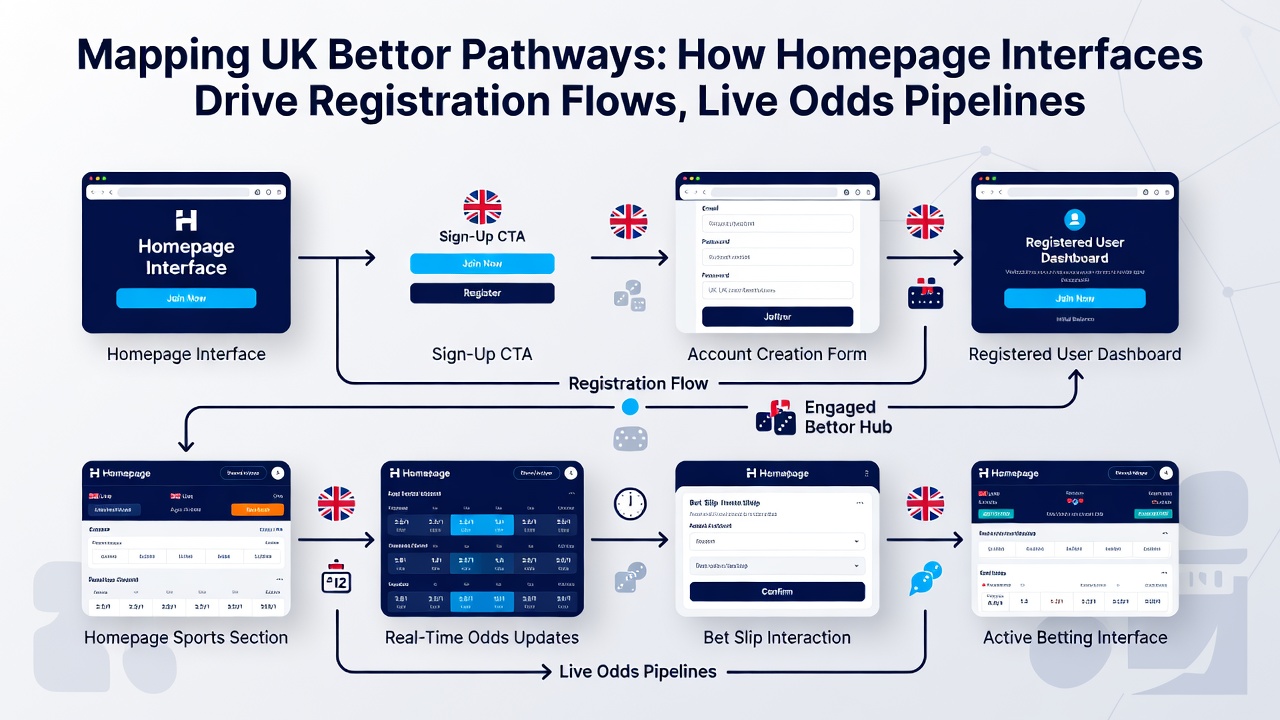
Targeted match forecasts integrate alongside these pipelines through algorithmic recommendations that draw from user history and current market movements, presenting tailored previews within the same interface view. Studies compiled by the Canadian Centre on Substance Use and Addiction highlight how predictive overlays can influence decision timing when positioned near active odds tables. The arrangement maintains a continuous thread from registration through data consumption, keeping attention within the platform ecosystem.
Forecast Targeting and Personalization Layers
Personalization engines analyze early interactions to surface specific match insights, and these appear as expandable cards or sidebar widgets that link back to betting options. Users encounter these elements shortly after account activation, which aligns with observed patterns where early exposure increases continued session length. Industry organizations such as the World Lottery Association track how such features evolve with machine learning refinements, noting gradual improvements in relevance scores reported by operators.
Additional tools like quick-access buttons for popular leagues sit near forecast modules, creating secondary loops that reinforce engagement without forcing users to leave the homepage structure. Data indicates these interconnected elements contribute to higher retention during the initial weeks post-registration, although individual outcomes depend on content quality and update frequency.
Conclusion
UK betting pathways demonstrate consistent design logic that links homepage interfaces to registration efficiency, live odds access, and forecast delivery through deliberate layout decisions and backend connections. Patterns documented across multiple sources show these flows operate as integrated sequences rather than isolated features, supporting steady user progression within the platform environment. Continued refinements in November 2026 and beyond reflect ongoing adaptation to user navigation data collected by the operators themselves.