Beyond the Clickstream: UK Speedways' Reliance on Profile Activation, Live Odds Channels, and Frame-by-Frame Prediction Models
Written by Harper Zimmermann · Oct 28, 2026
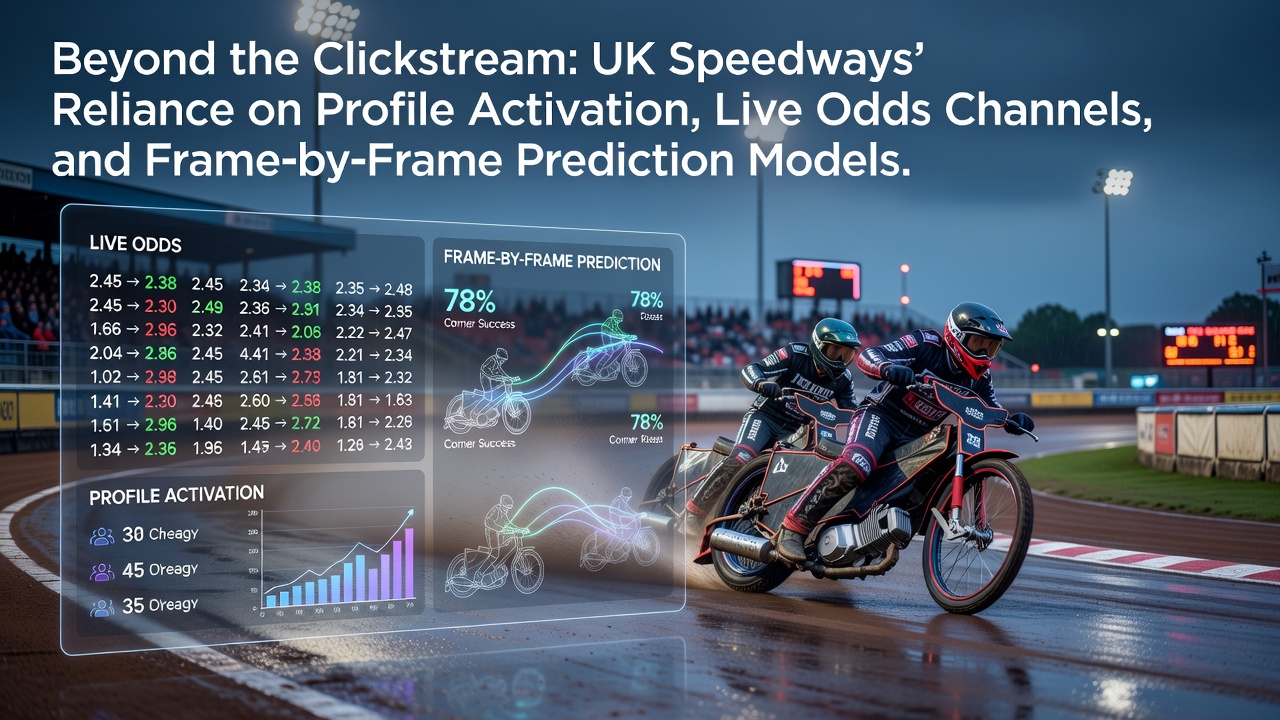
Beyond the Clickstream: UK Speedways' Reliance on Profile Activation, Live Odds Channels, and Frame-by-Frame Prediction Models
UK speedway betting has shifted from basic clickstream tracking to more layered systems that depend on profile activation, live odds channels, and frame-by-frame prediction models, and observers note how these components now drive much of the operational flow in the sector. Profile activation begins when users complete registration steps that unlock personalized data feeds, which in turn feed into broader analytics engines used by betting operators. Research from the European Gaming and Betting Association highlights how such activations allow platforms to collect structured user preferences early, creating datasets that extend well beyond simple page views or session durations.
Profile Activation as the Foundation
Once activated, profiles integrate historical betting patterns with real-time inputs from speedway events, and this process supports the delivery of tailored odds that adjust based on individual account activity. In October 2026 figures from industry reports showed increased uptake of these activation flows across UK operators handling speedway fixtures, where new accounts often trigger immediate access to detailed rider statistics and heat schedules. Those who study betting infrastructure point out that profile activation serves as the entry point for data pipelines that later connect to live channels and predictive tools.
Live Odds Channels in Action
Live odds channels operate as continuous data streams that update during each speedway meeting, pulling from multiple sources including track conditions, rider lineups, and weather variables. These channels deliver second-by-second revisions that betting systems then distribute to activated profiles, ensuring users see adjustments tied to unfolding events on the shale oval. Experts have observed that such channels reduce latency between on-track developments and displayed prices, while operators use them to maintain synchronization across different markets.
Frame-by-Frame Prediction Models
Frame-by-frame prediction models break speedway meetings into individual heats, applying machine learning techniques to forecast outcomes for each four-rider contest rather than relying on overall match results. Data from the Journal of Sports Analytics indicates that these models incorporate variables such as gate positions, average lap times, and historical head-to-head records, producing probability estimates that refresh after every completed frame. Operators integrate these outputs directly into live odds channels, which then surface updated figures to users whose profiles have been activated. One study revealed that frame-level granularity improves calibration compared with broader event predictions, particularly in leagues where small mechanical or tactical changes can shift results quickly.
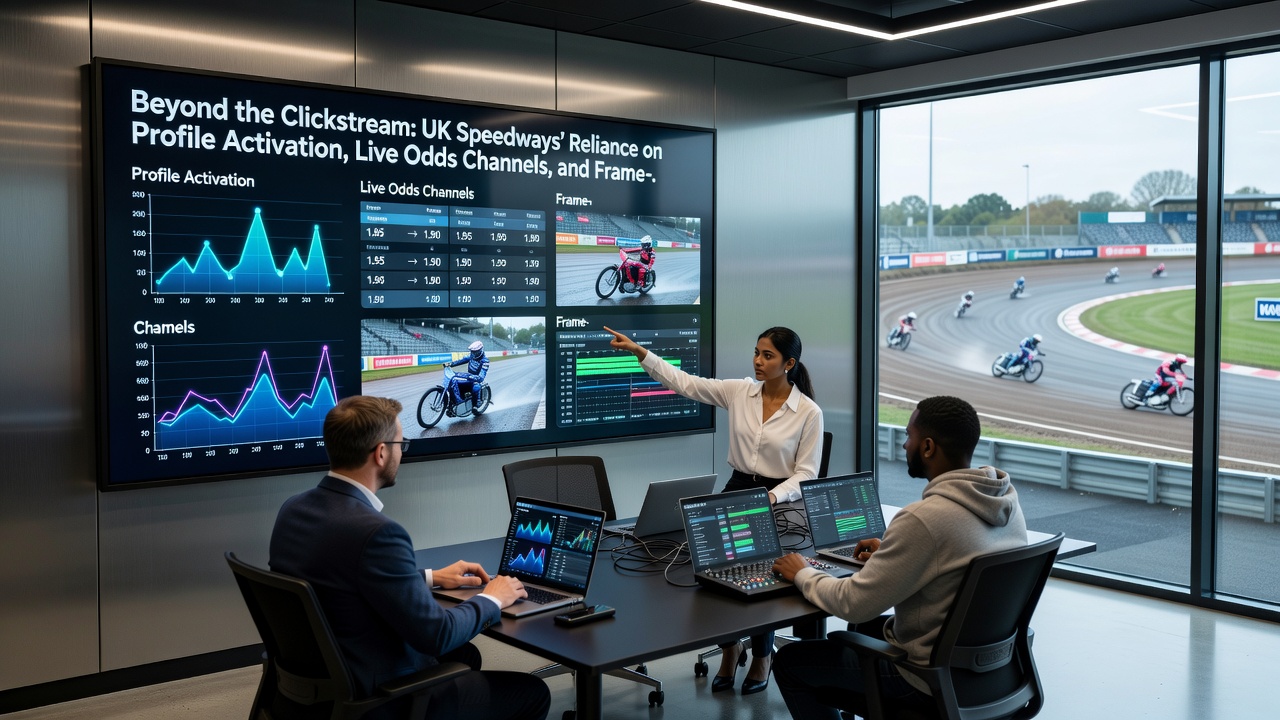
Integration among the three elements creates a closed loop where profile data informs model training, live channels supply fresh inputs, and prediction outputs refine the odds presented back to users. Researchers discovered that this loop allows operators to respond to speedway-specific patterns, such as the impact of track grading between heats or the effect of rider changes mid-meeting. Platforms handling UK fixtures have adopted these combined systems to manage volume during peak seasons, when multiple meetings occur on the same evening.
Operational Patterns Across UK Speedway
Betting services focused on British Speedway Championship events demonstrate how profile activation gates access to advanced features like custom alerts for specific rider performances. Live odds channels then carry those alerts alongside price movements, while frame-by-frame models generate the underlying probabilities that populate each market. Observers note that this structure supports both pre-meeting and in-play wagering without requiring separate infrastructure for each phase. Data shows that operators maintaining these connections report higher session continuity, as users remain engaged through successive heat updates.
Technical requirements for frame-by-frame modeling include access to detailed telemetry from timing systems at tracks such as Belle Vue and Leicester, and these feeds merge with profile-derived user signals to adjust model weights dynamically. In practice, the models evaluate gate advantage, bike setup variations, and recent form on similar surfaces before outputting revised probabilities for each frame. Live channels broadcast these revisions in standardized formats that integrate with mobile and desktop interfaces used by UK bettors.
Conclusion
The combination of profile activation, live odds channels, and frame-by-frame prediction models now underpins much of the infrastructure supporting UK speedway betting, and available evidence points to continued refinement of these interconnected systems. Industry data from October 2026 onward suggests operators will further align these components to handle growing volumes of real-time information generated during domestic and international meetings. Those monitoring the sector report that the shift away from clickstream-only approaches has enabled more precise market management across the speedway calendar.